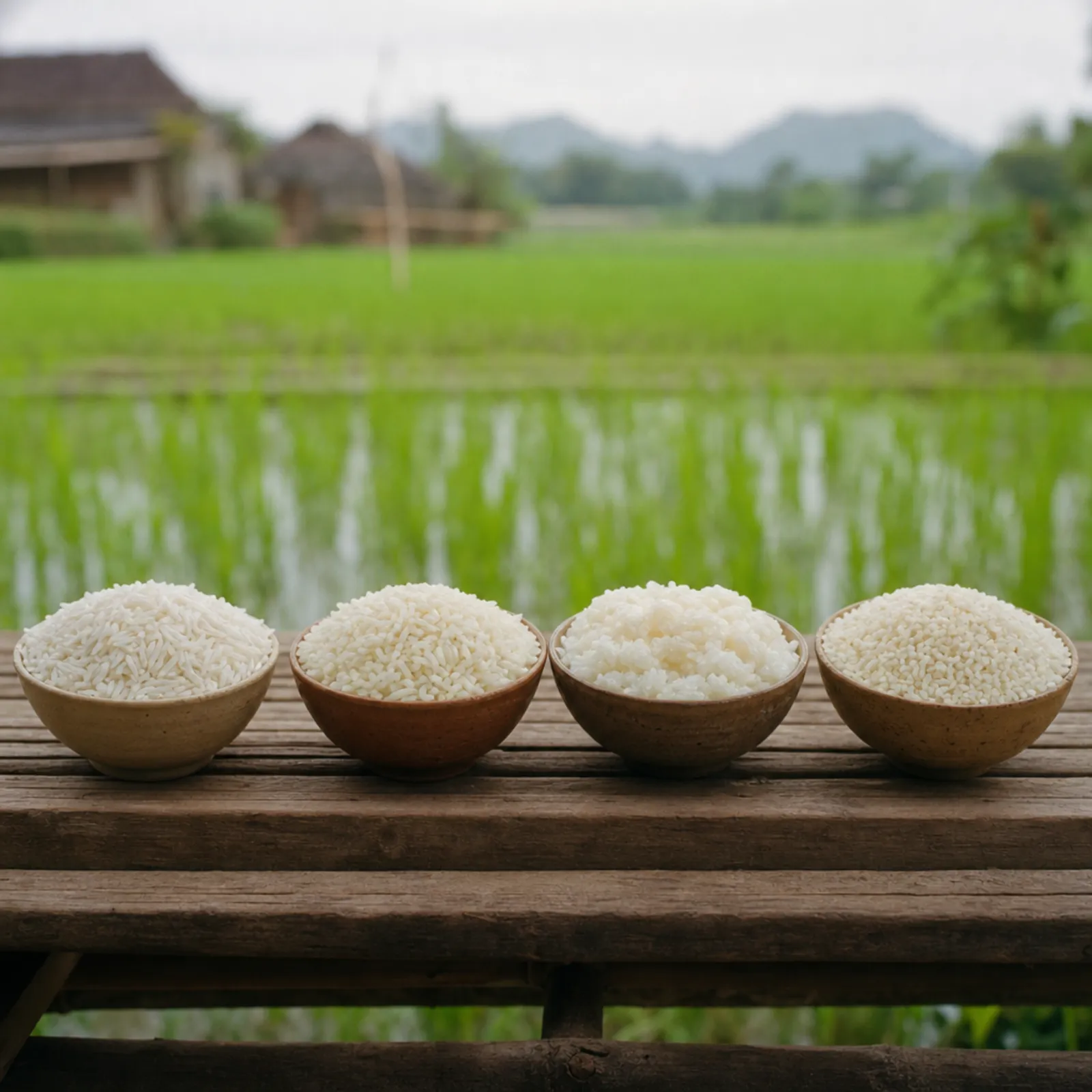
AI-generated: bowls of long-grain, fragrant, sticky and broken rice side by side on a tableAI image

Buying guide

Vietnamese Rice Varieties: Which Grain for Which Dish

The bag says rice. Your dinner needs something more specific. Here is how to tell the grains apart and buy the right one.

9 min readUpdated October 27, 2026

Chapters

Key takeaways

  • Four grains cover most Vietnamese cooking: everyday fragrant long-grain, glutinous (sticky) rice, broken rice and special fragrant varieties such as ST25.
  • Match grain to dish: long-grain for the daily bowl, glutinous for xôi and bánh chưng, broken long-grain rice for cơm tấm.
  • Broken rice is not a variety. It is grains broken in the mill. Broken basmati is the wrong grain for cơm tấm.
  • ST25 won World's Best Rice in 2019. The name gets attached to bags it does not belong on, so buy from a source you trust.
  • Selection criteria first: grain shape, smell, harvest information, packaging and the dish you have in mind.

Vietnamese rice varieties: how to read a bag

Searching for Vietnamese rice varieties usually leads either to export-trade pages written for wholesale buyers, or to a shop page that says "jasmine rice" and nothing more. This guide sits between the two. It is for people who cook, want to buy the right bag, and prefer a plain explanation.

The first thing to accept is that the label on a bag is only part of the story. The words "jasmine", "fragrant" and "premium" are used loosely and do not guarantee a particular variety. What helps is a short checklist you can apply to any bag in any shop.

If you are new to the topic, our complete guide to Vietnamese rice gives the big picture. This page is the shopping companion to it.

A practical routine for the shop: pick up the bag, look at the grain through the window or the seam, check the packaging for any harvest information, and read the ingredients line. It should say rice, and nothing else. Then compare two bags of the same kind side by side. You will quickly see differences in grain length, colour and the amount of broken pieces, and those differences usually tell you more than the price or the picture on the front.

Comparison

CriterionWhat to look forWhy it matters
Grain shapeLong and slim for everyday rice; short, plump and opaque for glutinous riceShape predicts texture. Long grains cook up separate, glutinous grains cling together.
SmellA gentle, clean aroma through the bag if you can sniff itFragrant rice should smell of something. A musty bag is a warning.
Broken grainsFew for ordinary rice, many for broken riceBroken rice is exactly what you want for cơm tấm and exactly what you do not want for a clean white bowl.
Harvest informationA harvest year or date on the packagingFresher rice generally cooks better, and the information tells you the seller cares.
PackagingIntact, dry, sealed bagMoisture and pests ruin rice. A torn bag is not a bargain.
DishThe dish you plan to cookNo grain is best at everything. Start from the plate.

No prices shown, they change daily on Amazon.

Fragrant and everyday long-grain rice

This is the rice of the family bowl. The grains are long and slim, they cook soft but separate, and a good one gives off a faint, pleasant aroma as the steam rises. It sits at the centre of every Vietnamese meal, it fries well the next day as cơm chiên, and it turns into porridge, cháo, when you cook it with extra water.

One confusion to clear up: the word "jasmine" on a bag does not tell you whether the rice is Thai or Vietnamese, or which variety it is. Both countries grow fragrant long-grain rice, and the trade uses "jasmine" as a style description. If origin matters to you, look for it on the packaging and be careful of vague claims. "Vietnamese jasmine" is not necessarily the same rice as the Thai Hom Mali that gets famous mentions, and the two should not be assumed identical.

For daily cooking, a fresh bag of fragrant long-grain rice from a reliable Asian grocer is a perfectly good answer. You do not need to chase rare names to eat well.

Texture is the last test. Fragrant long-grain rice should come out tender with a slight spring, grains distinct but not hard. If your batch is gluey, you probably over-watered or skipped the rinse. If it is dry and chalky, you under-watered or the rice is old. Cook a small test batch from every new bag before you commit to a large sack, and write down what water level worked. After two or three bags you will know your own taste better than any label can tell you.

How do you cook it? Rinse, measure, add water according to your cooker or package instructions, cook, rest, fluff. That is all. The details of the method are in our pillar guide, and the cooker choices are in the rice cooker buying guide.

A note on freshness. Fragrant rice is at its best soon after harvest, and its aroma fades with time. Store it in a sealed container in a cool dry place, away from strong smells, and buy sizes you will use within a reasonable time. A giant sack is a good deal only if you will finish it.

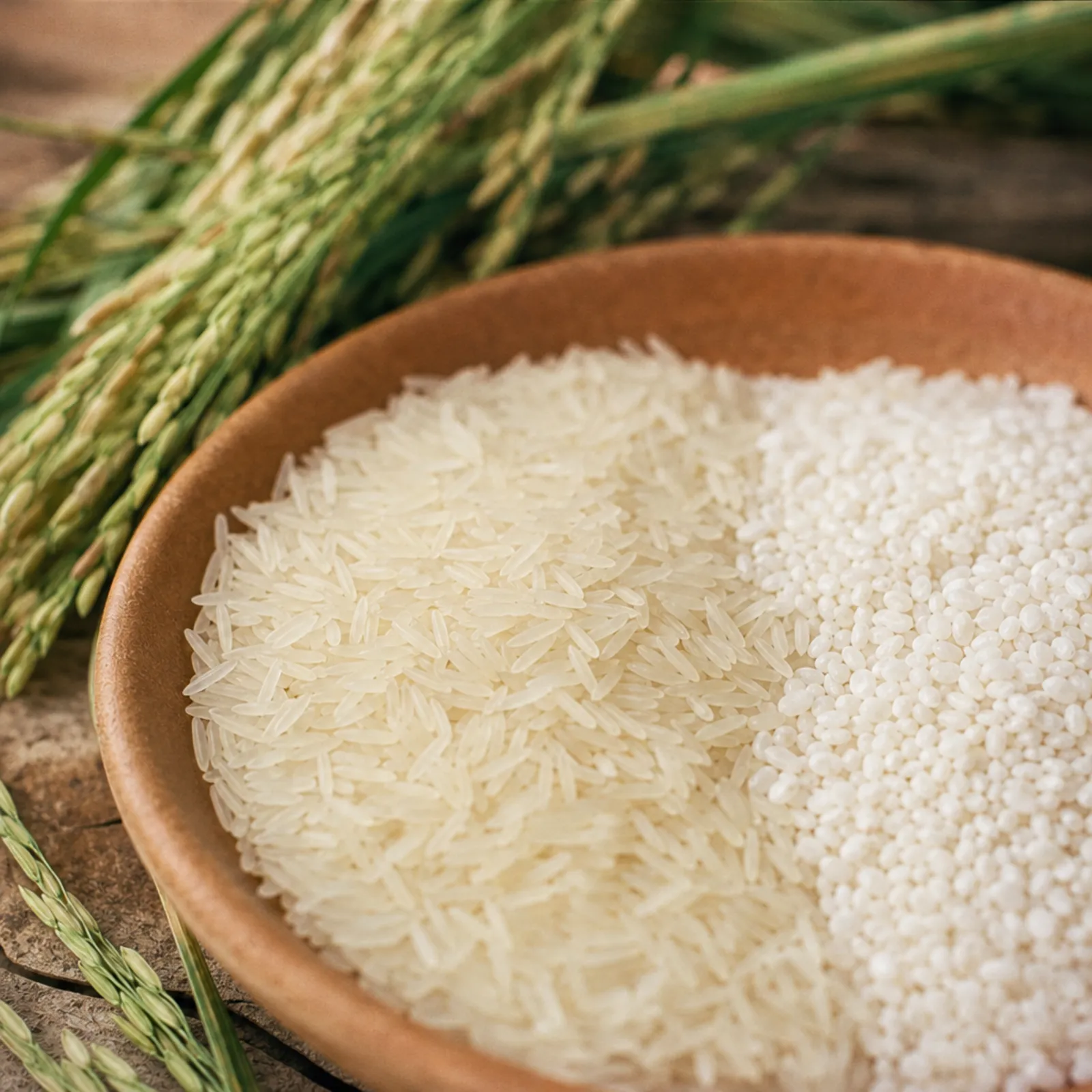
AI-generated: macro of long-grain and round-grain rice in two small bowls for comparisonAI image
Long slim grains cook separate. Round grains cook softer and stickier.

Glutinous rice: gạo nếp

Glutinous rice, gạo nếp, looks nothing like everyday rice once you put it side by side. The grains are short, plump and chalky white, not translucent. They are called glutinous because they turn sticky, not because they contain gluten; there is none. Many English-language shops simply sell it as sticky rice or sweet rice.

It is the rice of xôi, the steamed rice served for breakfast with toppings, and it is the filling inside bánh chưng at Tết. It is also the base of many sweets. You do not boil it like ordinary rice. You soak it and steam it, which is why a basket steamer is worth owning. Our sticky rice and xôi recipe shows the method step by step.

When you buy, make sure the bag says glutinous or sticky. A long-grain bag will never become xôi, however long you steam it.

Three different Vietnamese traditions live in this one grain. Savoury xôi, topped with fried shallots, peanuts or mung bean, is breakfast. Sweet xôi, with coconut or sugar, is a snack or a treat. And the glutinous rice at the heart of bánh chưng belongs to Tết and family ritual. All three begin with the same chalky grain and the same respect for soaking and steaming.

Do not mix up the flour either. Rice flour and glutinous rice flour are different products with different results. A recipe that calls for one will not forgive the other.

Say it in Vietnamese

Gạo nếpgow nep · Glutinous rice.
Xôisoy · Steamed sticky rice, sweet or savoury.
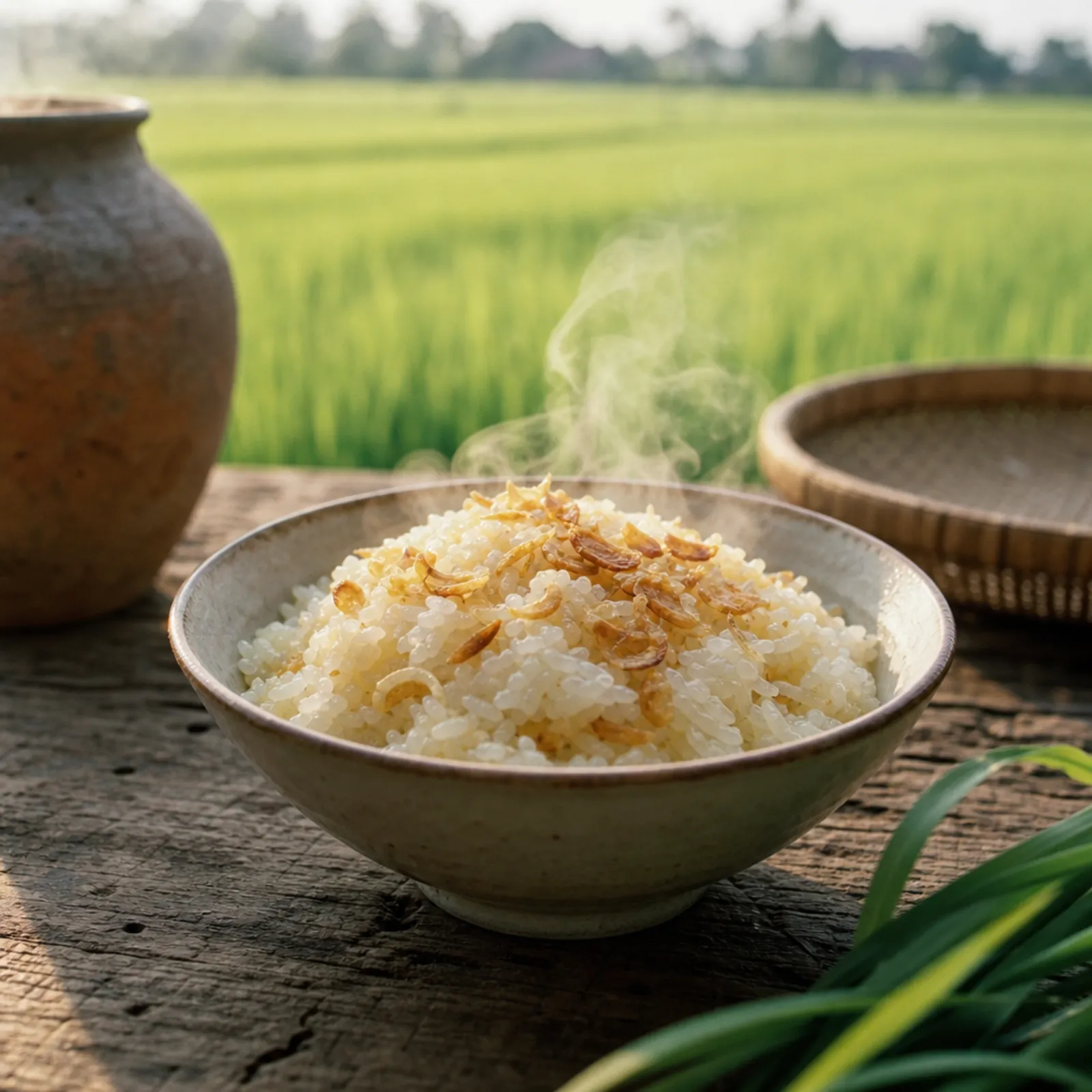
AI-generated: a bowl of steamed sticky rice with fried shallot oil and steam risingAI image
Xôi: the destination for glutinous rice.

Broken rice: gạo tấm

Broken rice is the most misunderstood item on the list. It is not a variety. It is whatever grains happen to break while rice is milled and handled. Those pieces are sorted, sized and sold separately. A bag of broken rice may contain a mix of piece sizes, and the underlying rice is usually a long-grain type.

In the south, cooks made a dish from it: cơm tấm, today closely tied to Sài Gòn. Broken grains cook faster than whole ones, soak up sauce and fish sauce well and give a softer, slightly clumpy texture that suits grilled pork and egg. Our cơm tấm recipe explains the dish and how to cook the rice.

Two buying rules. First, choose broken long-grain rice of a fragrant type, not basmati; broken basmati has a very different character and the wrong texture for this dish. Second, if you cannot find broken rice, you can make a rough version at home by pulsing ordinary long-grain rice briefly in a food processor, but watch the pulses and stop early or you will end up with flour.

A word on the mix of pieces. Some bags contain mostly fine pieces, some include larger fragments. Finer pieces cook quicker and turn softer; larger ones keep more bite. Neither is wrong. If you can, look at the grain before you buy and choose the texture you prefer, then adjust the water slightly next time to match.

Say it in Vietnamese

Gạo tấmgow tuhm · Broken rice grains.
Cơm tấmkuhm tuhm · The dish built on broken rice.
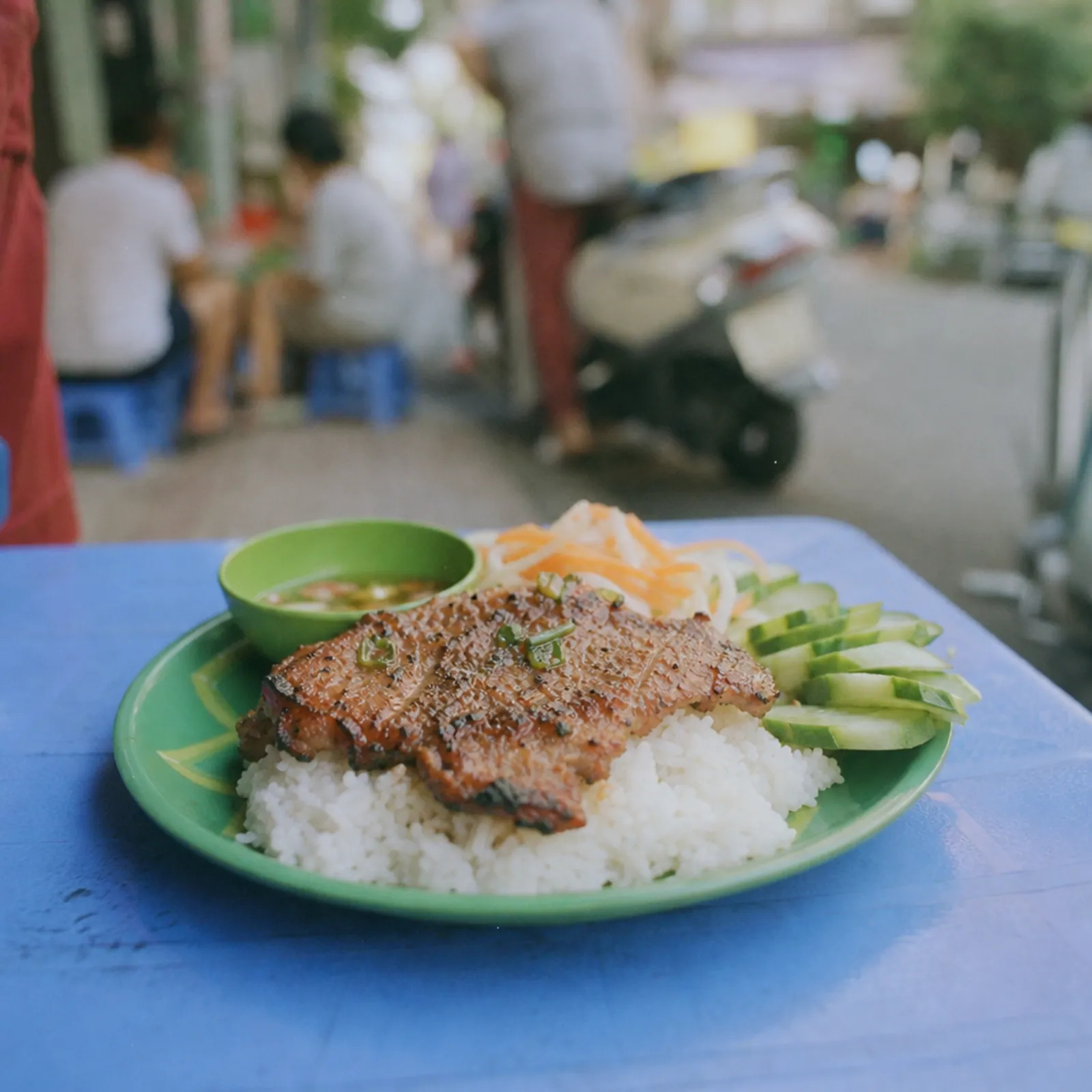
AI-generated: a plate of broken rice with grilled pork chop, cucumber and fish sauce on a Sài Gòn streetAI image
Cơm tấm: a by-product of milling that became a signature plate.

ST25 and other named varieties

ST25 is the best-known Vietnamese rice name abroad, and with good reason. It was bred in Sóc Trăng, in the Mekong Delta, by Hồ Quang Cua and his team, and in 2019 it won the title of World's Best Rice at the World Rice Conference in Manila. That placed a Vietnamese variety on the international map for the first time in a way no export statistic had managed.

The flip side is that a famous name attracts imitators. In Vietnam, articles on how to tell real ST25 from fake are common. Abroad, you will see "ST25" on bags of widely varying quality and origin. Some are the genuine article. Others borrow the name. The honest advice is simple: buy ST25 from a seller you trust, check that the packaging carries traceable information, and do not pay a premium for a bare claim on the front of the bag.

Other named fragrant varieties exist in the Vietnamese market too, and Vietnamese shoppers talk about them with the care Europeans reserve for wine. For most cooks outside Vietnam, though, availability decides: you work with what a good Asian grocer stocks. Our guide to Vietnamese rice at home covers how to build a shopping habit around that.

There is a fair question hiding here: is a famous rice worth the extra money? For a special dinner, a fragrant premium rice is a pleasure, and you may enjoy tasting what the fuss is about. For daily meals, a good everyday fragrant rice from a trusted shop does the same job at a more modest price. Treat premium varieties as an occasional treat, not a requirement.

If you want to try ST25 or another named variety, look for clear information on the packaging: the producer, the harvest, a lot number or a traceable code. Ask the shop where they source it. A seller who can answer those questions is worth more than a bag with a big logo.

What to buy, by dish

Start from the plate, then choose the grain. The picks below are rice products and kitchen helpers worth considering for the three jobs most readers have in mind: the daily bowl, xôi and cơm tấm. For equipment that makes the cooking easier, see our rice cooker buying guide.

A closing tip on storage. Rice keeps best sealed, cool and dry. Decant opened bags into a lidded container, label it with the date, and keep it out of direct sunlight. Glutinous rice and broken rice both keep well under these conditions. Do not store rice near strong-smelling foods; it picks up odours. And if you see tiny insects or smell something musty, throw the bag out. It is not worth the risk.

Rice worth considering

This page contains affiliate links. As an Amazon Associate we earn from qualifying purchases. The price for you stays the same.

Our pick

Duftreis Jasmin (5 kg)

A bag of fragrant long-grain rice is the best all-round buy. It handles daily meals, fried rice and porridge.

Pros
  • Suits most Vietnamese everyday dishes
  • Cooks separate and soft
  • Easy to find in Asian shops
Cons
  • Labels such as jasmine are used loosely
  • Quality varies noticeably between bags
View on Amazon
For purists

Klebreis gạo nếp (1 kg)

The only rice that will actually turn into xôi, bánh chưng filling and sweet sticky dishes.

Pros
  • The right grain for xôi
  • Keeps well when stored dry
  • Versatile for sweet and savoury dishes
Cons
  • Needs soaking and a steamer
  • Not suitable as an everyday side
View on Amazon
Budget pick

Bruchreis gạo tấm

Broken long-grain rice is the correct base for cơm tấm and cooks quickly.

Pros
  • Authentic texture for cơm tấm
  • Cooks faster than whole grain
  • Takes up sauce well
Cons
  • Easy to buy the wrong broken rice, such as basmati
  • Texture is softer than whole grain, which not everyone likes
View on Amazon

Comparison

RiceBest forCooking methodWatch out forView on Amazon
Fragrant long-grainDaily bowl, cơm chiên, cháoRice cooker or potVague labelsView on Amazon
GlutinousXôi, bánh chưng, sweetsSoak, then steamDo not boil like normal riceView on Amazon
Broken long-grainCơm tấmCooker, with slightly less water than whole grainWrong variety, such as basmatiView on Amazon

No prices shown, they change daily on Amazon.

Frequently asked questions

What type of rice do Vietnamese people eat?

Mostly fragrant or everyday long-grain white rice for the daily meal, glutinous rice for xôi and rice cakes, and broken rice for cơm tấm.

Is Vietnamese jasmine rice the same as Thai jasmine rice?

No, you should not assume so. Both countries grow fragrant long-grain rice and "jasmine" is used as a style description. Check the origin on the packaging.

What is ST25 rice and why is it called the best in the world?

ST25 is a fragrant variety bred in Sóc Trăng by Hồ Quang Cua and his team. It won the title of World's Best Rice in 2019 at a rice conference in Manila.

What is broken rice (cơm tấm) and why is it used?

Broken rice is made of grains that broke during milling. It is not a variety. It cooks fast, absorbs flavours and gives the soft texture that suits cơm tấm.

Which rice is best for cơm tấm?

Broken long-grain rice of a fragrant type. Broken basmati is the wrong grain.

Can I make cơm tấm with regular rice?

Yes, roughly. Pulse ordinary long-grain rice briefly in a food processor to crack it, stopping early so it does not become flour. The result is close but not identical.

What is the difference between glutinous rice and sticky rice?

None. Both names describe the same rice. It contains no gluten; the word refers to its sticky texture.

How do I spot fake ST25?

Buy from a seller you trust and look for traceable packaging information. A bare ST25 claim with no producer or harvest data deserves caution.

Continue the journey

Keep exploring

As an Amazon Associate we earn from qualifying purchases.